
in which I wander through the rooms of my thoughts
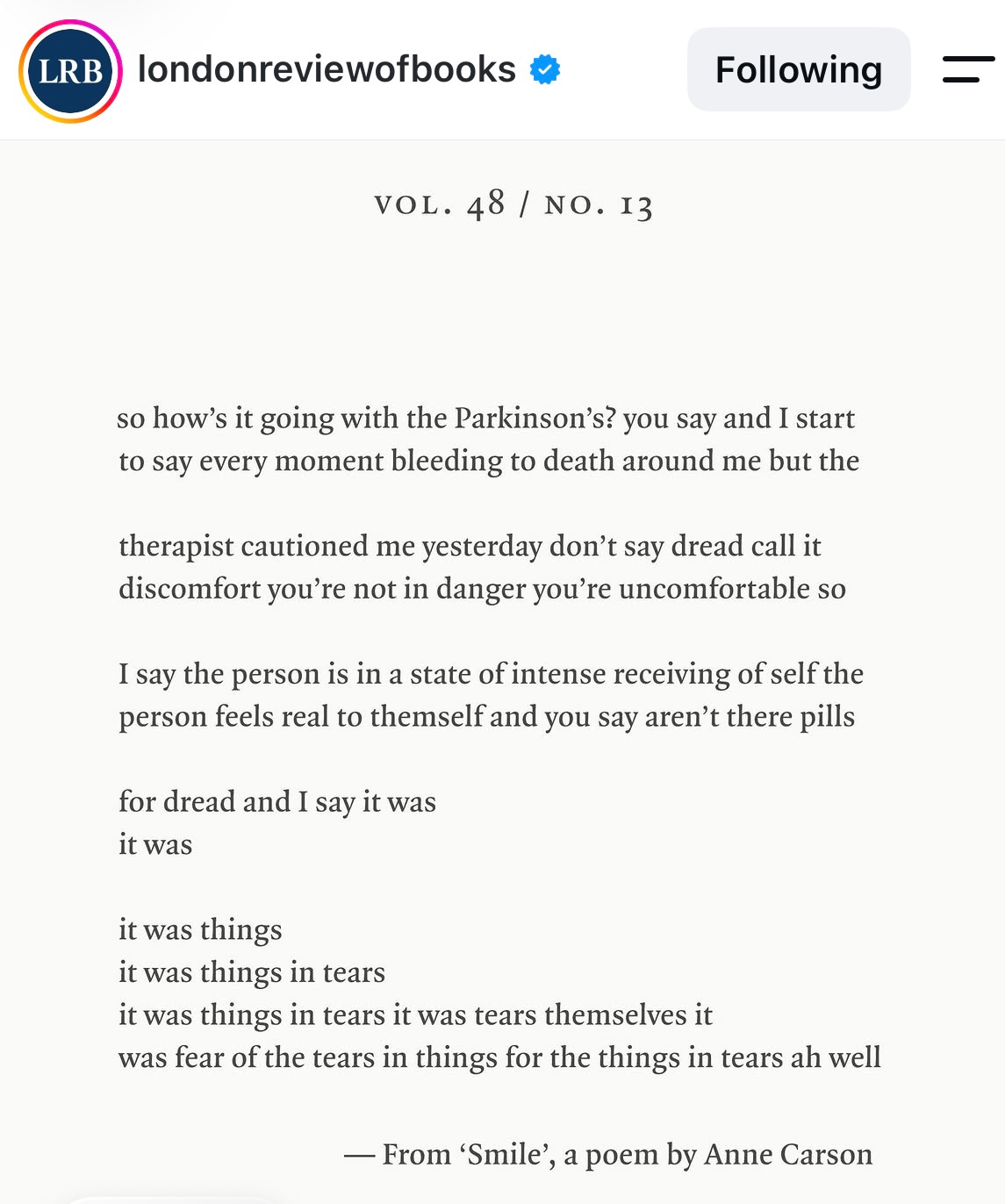
maybe I get through the day by writing out this (excerpt from a) poem by Anne Carson that flashed up before me the other day, when I was mindlessly scrolling, bringing me back to the world, to words.
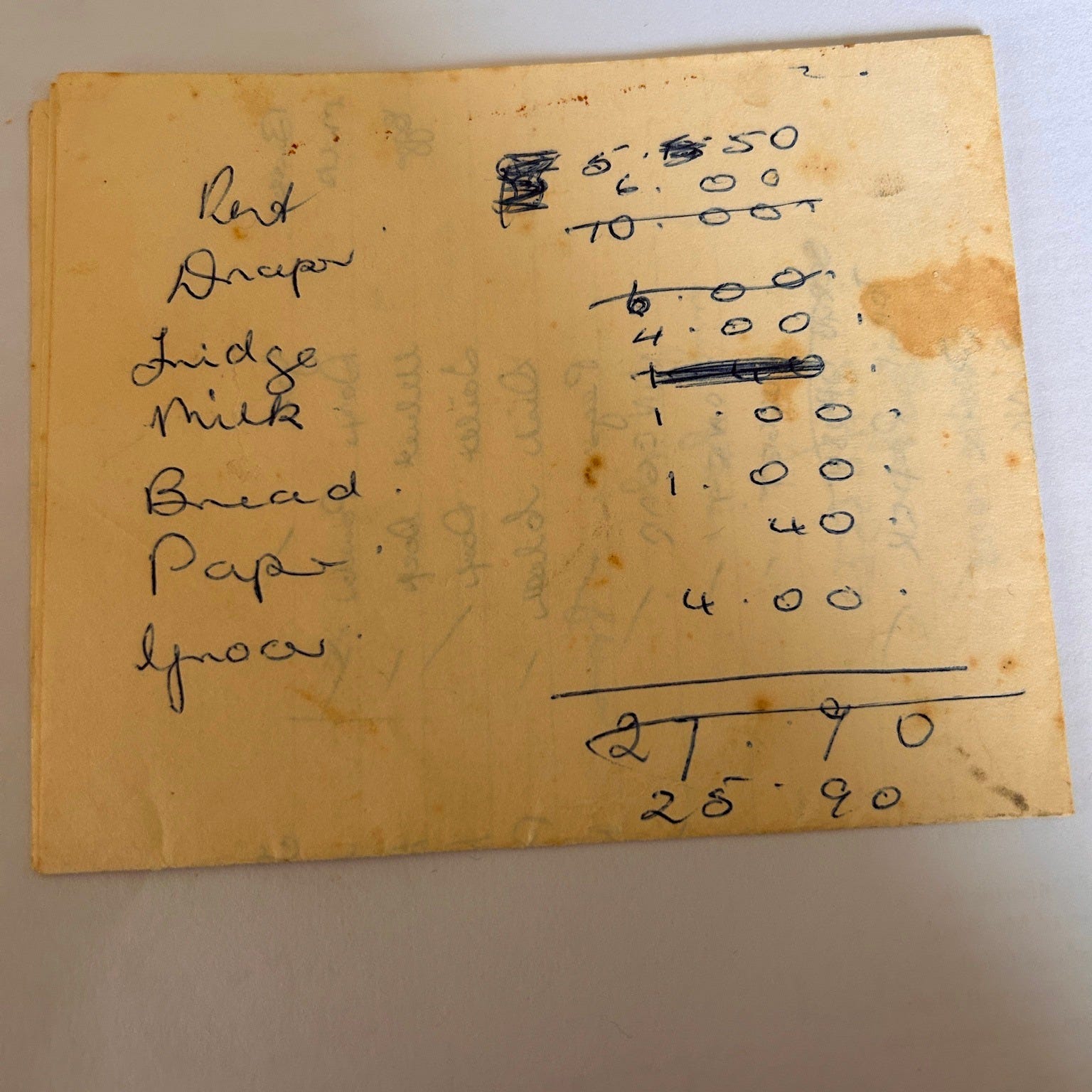
or maybe I hold onto this shopping list of my mother’s from 1966 or 1967 as if it will grant me a soft landing or anything really at all
and the satin ribbon in this smiling vintage baby’s hair, photo redacted,
not everything is meant to be shown
&
is any of this language for the roads we’re heading down?
&
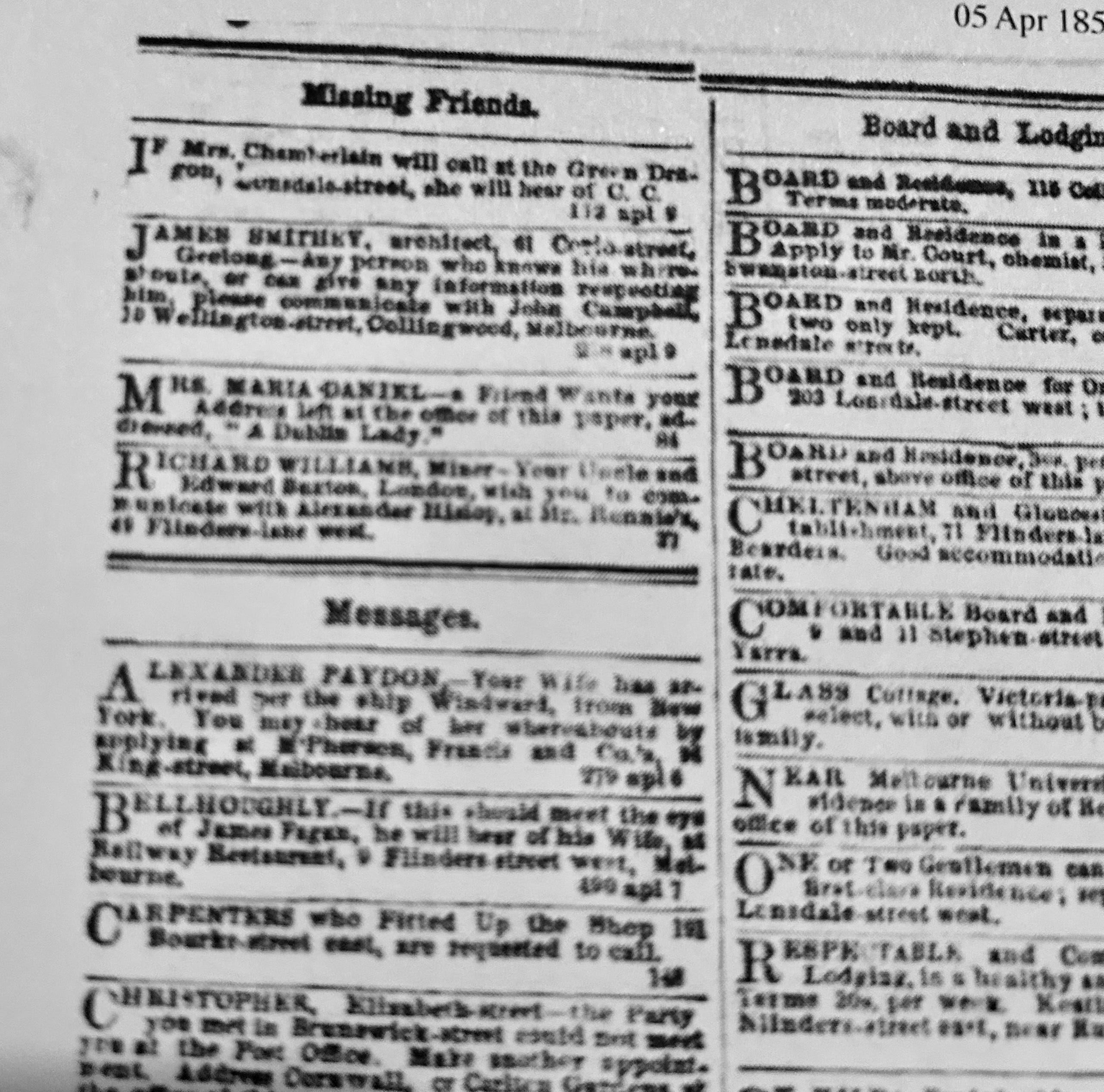
I found this on Trove, looking for something else, a name or a place, I can’t recall now, such are the fluttering and transient mores of my searching wonts, but should anyone need ideas for novels, they are to be found ready made within the pages of newspapers from the 1850s.
&
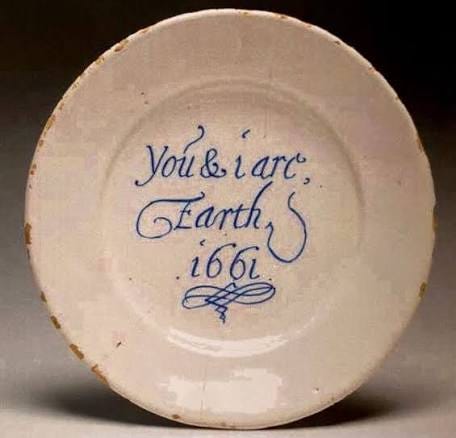
Walking this morning, thinking about a fragment I had already written, my mind set upon the words on this tin-glazed plate, circa 1661, which was recovered from a London sewer, and subsequently went viral, not least via exhorbitantly priced replica homewares and fashion. I thought I’d written a vignette about it in my book, Vessel, but I realise I found this information later than that, and have written the vignette in an upcoming essay. I love the quicksilver movements of the creative mind, the connections a curious mind will make. The magical, intuitive work of association.
&
My sister, Indigo, and I had lunch at Journal cafe in Little Flinders Street last Friday (I went to see Hannah Richell talk about her beautiful book, An Ocean and a Day, about the death of her husband, Matt Richell, and Hannah’s journey of grief. I highly recommend it.) Indigo and I talked a lot about how association, and how it feels as though those connectionsa re soemthing already contained, as if the act of writing unlocks them, releases them. I noted to her how similar we are as writers of fragment, white space, association, grief. How we write from the same bedrock.
&
I’ve finally just begun reading Siri Hustvedt’s memoir Ghost Stories (hands up if, like me, you didn’t realise that Paul Auster’s first wife was Lydia Davis?). I’m not that far into it, about 40 pages, I suppose. The book is composed of fragments, of SH attempting to assimilate her loss onto the page, into her being. It also contains a series of letters that Auster had written to his newborn grandson, perhaps the beginning of a book that could never be finished, until SH enfolded it into her Ghost Stories. It’s a rare and beautiful book, and one that I understand well on a personal level, not just knowing grief (I’ve never known this kind of grief, of losing a partner), but of the ways we write about it, in a fragmented, meandering fashion, as if trying to find a way around to a place where we can live with the loss. Exploring in that way, or indeed, writing/books as meaning-making.
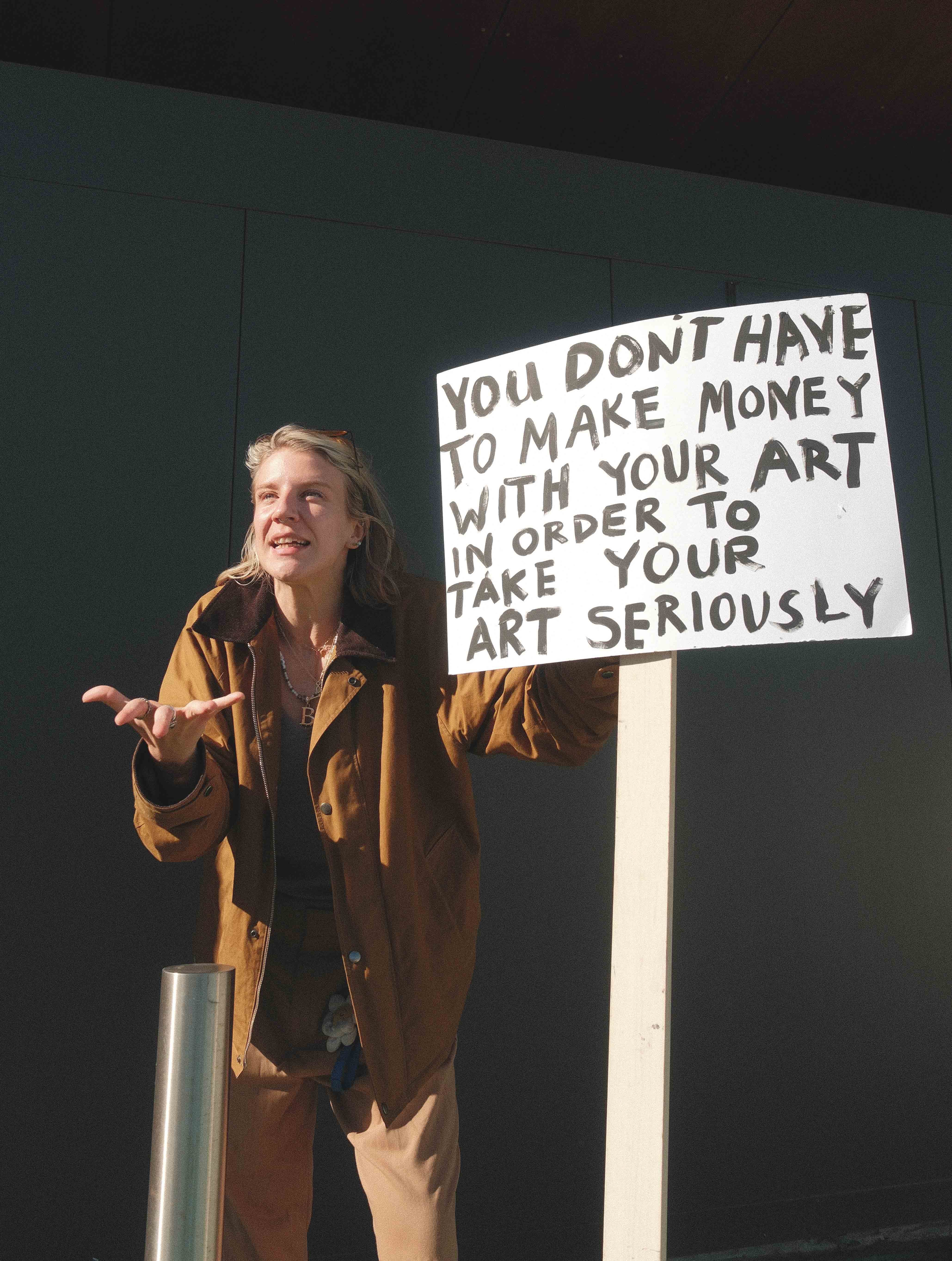
I wrote a lot about this, and also about books as art, and of making art of our grief, in my PhD exegesis. It’s nice sometimes to circle back and remember that kind of deep, luxurious thinking about what I was doing. I feel a little as though I’ve had it beaten out of me this year. Or rather, the idea that I can produce writing like what I write, about grief, and other matters, composed of fragments, conceptualised as art. It feels as though that kind of writing is frowned upon. Different, of course, if you are Siri Hustvedt or similar. SH can write whatever she likes. Not so much, writers like me. I feel a bit as though only big-bucks books are looked upon as serious writing, their authors serious writers, or writers to take seriously.
It’s made me think about giving up writing, of walking away from that world. I read Beth Kephart’s Substack post a few weeks ago, and felt so seen. She wrote, and I reposted—
I love the way her writing, the parsing of her words, resists the idea of leaving, via its poetry. Of course, writing will find Beth. And I left the writing for a few weeks, thinking also, the writing can find me, or not find me. I read, and read, and swept the floor, hung the clothes out, and draped coloured cloths over my plants at night, watching the clear winter skies, every star clear as cut crystal. I was happy. And the writing found me, too. It sought me out to write precious fragments, spaced out like worlds, like stars, galaxies of sky/space between them, and I was happy again. I remembered myself as a writer. I remembered what matters to me as a writer, these fragments, this writing as art, as describing the ineffable, as reaching for something, or wandering. Words, or books, written as a series of interconnected chambers, or paths between thoughts. As others have said before me. But also, thank you to Amie McNee as always and especially for this—
&
My sister and I talked about how ‘industry’ people can talk about ‘grief’ books, as though any book written about grief is cut from the same cloth as the others, or is a genre unto itself. In fact, grief, and the ways writers work with it, is a wide and far ranging scope, and I’ve never read two books exploring it that are much the same. Put Ghost Stories, An Ocean and a Day, and Geraldine Brooks’s Memorial Days, each writing about the loss of a husband, and you will read three wildly different books. My sister and I each wrote a book about the loss of our father and brother (Indido’s, published in 2004 by Pan MacMillan, was called Midnight Water). Even our books are like night and day/day and night, or like tides
&
all this is to say, I guess I’ll keep writing. I hope your writing, and or your reading is similarly flowing a quiet, strong, enlivened river of meaning-making, or seeking.
This post was originally posted on my Substack https://substack.com/@daninetherclift